feedspot.com
bloggers.feedspot.com
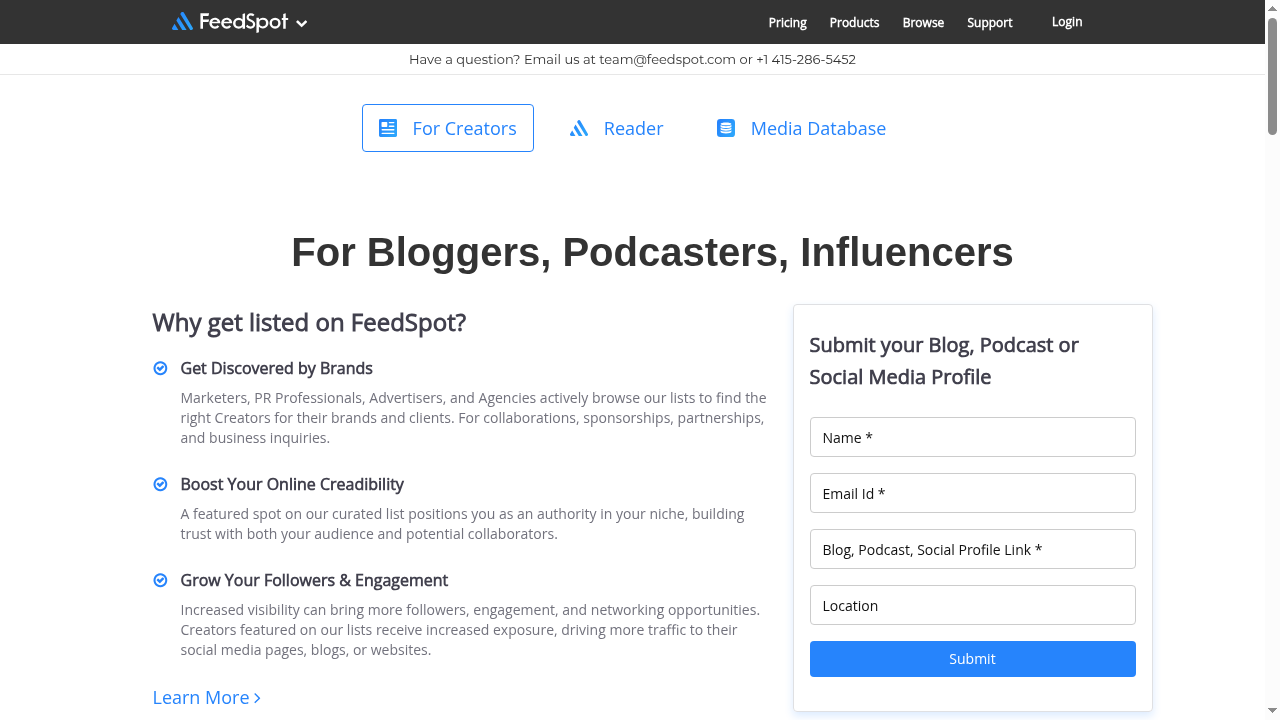
Feedspot operates primarily as an RSS aggregator and B2B marketing directory rather than a niche-specific content hub. It functions as a utility for creators seeking exposure and marketers hunting for influencers across various verticals, including p...
Visit bloggers.feedspot.comFeedspot operates primarily as an RSS aggregator and B2B marketing directory rather than a niche-specific content hub. It functions as a utility for creators seeking exposure and marketers hunting for influencers across various verticals, including potential adult or lifestyle niches. While not inherently fetish-focused, it serves as infrastructure for discovery within the broader creator economy.
From an editorial standpoint, Feedspot presents itself less as a destination community and more as a search engine for content creators. The site aggregates RSS feeds and maintains a database of blogs and influencers, positioning itself at the intersection of media consumption and PR outreach. For the BDSM or fetish niche specifically, this appears to be a B2B utility rather than a consumer-facing lifestyle hub; it is where marketers go to find bloggers, not where readers go to read content. The commercial model relies on selling visibility to publishers and access to contact data for agencies. It feels like a legitimate, established property with high authority, but lacks the community depth or editorial voice typical of niche-native sites.
- Content style is generic B2B marketing copy rather than niche-native voice.
- Positioning focuses on visibility and traffic generation for listed sites.
- Business model likely involves paid listings or premium data access for agencies.
- Niche ecosystem role is infrastructure/utility rather than community hub.
- Quality appears high with established metrics (750k blogs) suggesting authenticity.
- Heavy reliance on subdomain structure (influencers.feedspot.com, etc.) for product segmentation.
- Site structure prioritizes list pages and publisher conversion over deep content indexing.
- Search visibility likely driven by long-tail queries for specific niche blogs rather than brand terms.
- Content depth is shallow on homepage but relies on external links to drive value.