koalaswim.com
koalaswim.com
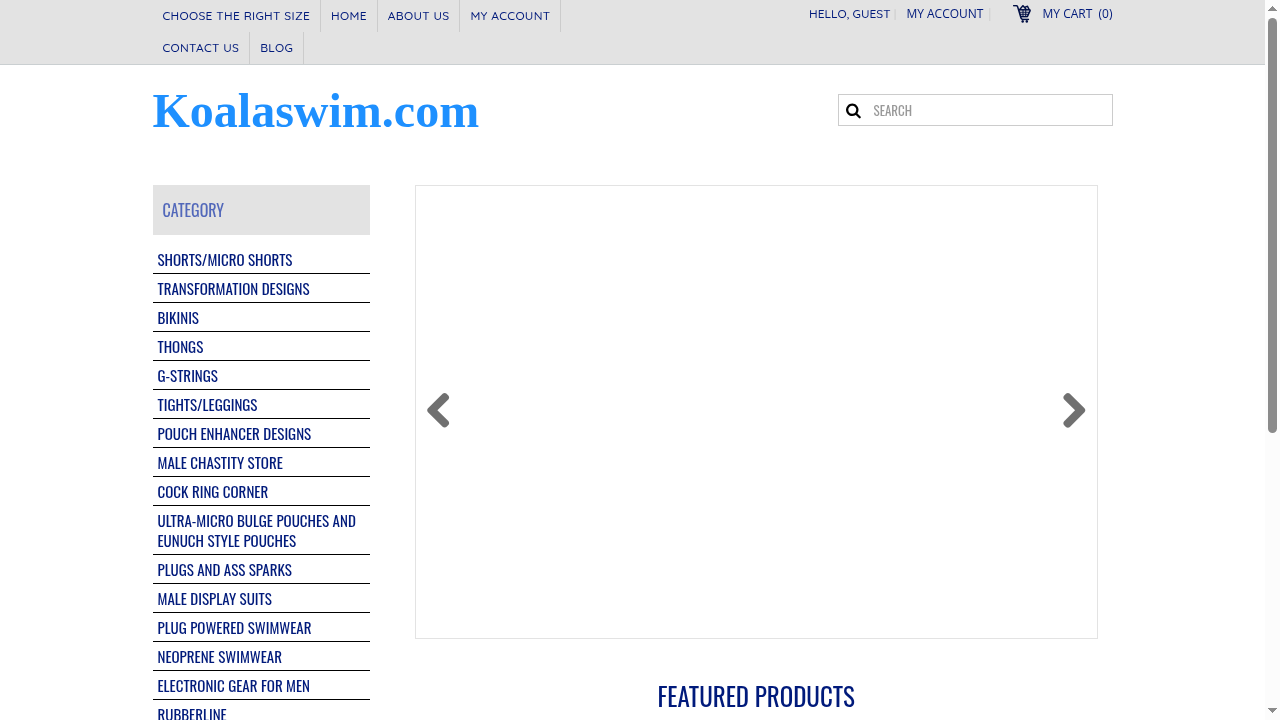
Koalaswim.com is a specialized e-commerce retailer focusing on male-centric erotic swimwear and transformation apparel. Established in 1990, the site targets gay men, crossdressers, and fetish enthusiasts with US-made spandex designs. While it featur...
Visit koalaswim.comKoalaswim.com is a specialized e-commerce retailer focusing on male-centric erotic swimwear and transformation apparel. Established in 1990, the site targets gay men, crossdressers, and fetish enthusiasts with US-made spandex designs. While it features a blog section, its primary function remains direct product sales within the niche lifestyle ecosystem.
This property operates as a legacy retailer rather than a content-first media play or dating platform. The site specializes in "male to female" transformation suits, micro-thongs, and spandex swimwear designed specifically for the male form. The About Us section details a 30+ year history rooted in Los Angeles custom manufacturing, lending significant authenticity compared to modern drop-shippers. While the blog offers lifestyle context like "Sissy Training" and crossdressing advice, the core revenue driver is clearly the product catalog with prices ranging from $34 to $38 per item. It functions as a niche boutique within the broader fetish and alternative fashion market, serving a specific demographic that values fit and transformation aesthetics over general apparel.
- Content style: Retail-focused with lifestyle blog support.
- Positioning: Legacy niche retailer specializing in male transformation wear.
- Business model: Direct-to-consumer e-commerce via Shift4Shop.
- Niche ecosystem role: Specialized apparel vendor for fetish/swimwear crossover.
- Quality/authenticity: High
- established brand with physical presence and specific design history.
- SEO/content observation: Generic homepage titles, missing meta descriptions on key pages.
- Site structure observation: Standard e-commerce category hierarchy (Bikinis, Thongs, etc.).
- Search visibility observation: Likely relies on long-tail keywords for specific product names rather than broad terms.
- Indexability/content depth observation: Low crawl count relative to page inventory suggests static pages or limited dynamic content indexing.